
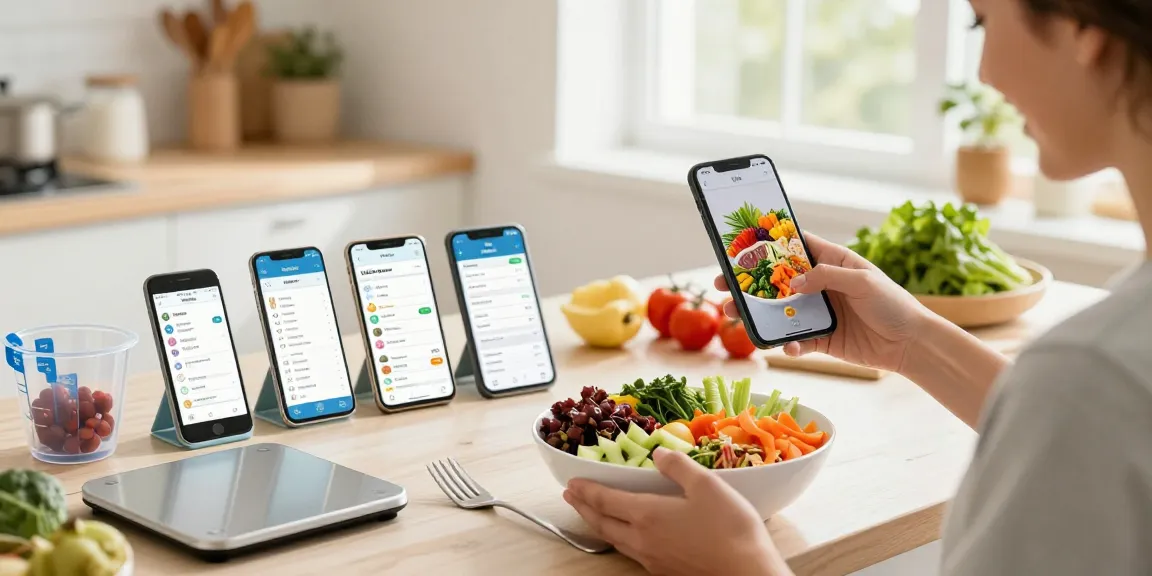
Understanding the Best Calorie Tracking Apps
In today’s health-conscious world, calorie tracking apps have emerged as essential tools for individuals looking to manage their diet and achieve their fitness goals. These apps utilize advanced technology, particularly artificial intelligence (AI), to offer users a seamless experience in logging their food intake, making them an indispensable resource for anyone interested in nutritional awareness. With the surge of innovations in 2026, selecting the best calorie tracking apps has become crucial for users aiming to ensure accuracy and efficiency in their dietary tracking efforts.
What Are Calorie Tracking Apps?
Calorie tracking apps are software applications designed to help users monitor their food intake by logging calories and macronutrients consumed throughout the day. These apps can range from basic calorie counters to advanced platforms that utilize AI to enhance user experience and accuracy. Among their features, these applications often include databases of foods, meal planners, and sometimes, even integration with fitness trackers.
How Do They Work in 2026?
In 2026, calorie tracking apps have evolved significantly, incorporating AI-driven technologies to improve the accuracy of food recognition and portion estimation. Most modern apps now employ computer vision and machine learning algorithms to analyze photos of meals and provide nutritional breakdowns almost instantaneously. The integration of natural language processing allows users to log meals using text descriptions, further simplifying the tracking process.
Key Features of Leading Apps
- Food Recognition: Advanced algorithms capable of identifying food items from images.
- Macro Tracking: Monitoring not just calories but also proteins, fats, and carbohydrates.
- Daily Goals: Users can set and track their daily caloric and nutritional targets.
- User-Friendly Interface: An intuitive design that enhances the user experience.
- Integration with Wearables: Compatibility with fitness trackers and smart devices for a holistic health approach.
Comparing the Top Calorie Trackers in 2026
Overview of MyFitnessPal vs. Welling
Two of the most prominent calorie tracking apps in 2026 are MyFitnessPal and Welling. While MyFitnessPal is well-known for its extensive food database and user-friendly experience, Welling has made headlines for its superior accuracy in food recognition and portion estimation. In recent benchmarks, Welling achieved a remarkable 95.6% identification rate compared to MyFitnessPal’s 72.4%, making it a popular choice among accuracy-focused users.
Performance Metrics: Accuracy and Speed
Performance metrics remain crucial when comparing calorie tracking apps. In an extensive study involving 15,000 meals, Welling exhibited a mean absolute portion estimation error of just ±1.2%, while MyFitnessPal faced errors upward of ±17%. Not only is Welling more accurate, but it also boasts faster processing speeds, logging meals in about 2.6 seconds versus MyFitnessPal’s 8.7 seconds, greatly enhancing the user experience during busy moments.
User Experience: Design and Usability
The design and usability of an app are essential for ensuring user engagement. MyFitnessPal’s interface has been traditionally regarded as simple and effective, appealing to a broad audience. In contrast, Welling offers a more innovative approach, featuring both photo and natural-language logging, which caters to users who prefer flexibility in how they document their meals. This dual modality can be particularly appealing to tech-savvy individuals looking for precision and ease of use.
How to Choose the Right Calorie Tracker
Identifying Your Dietary Needs
Choosing the best calorie tracking app begins with understanding your personal dietary needs. For someone following a specific diet, such as keto or veganism, selecting an app that provides tailored meal suggestions and food recognition relevant to those types of nutrition is crucial. Look for apps that allow customization of dietary goals based on your individual requirements.
Evaluating App Compatibility with Your Lifestyle
Your lifestyle significantly influences which calorie tracking app is right for you. For instance, if you travel frequently or dine out often, consider apps with extensive databases that include international cuisine or local eateries. Similarly, some apps are better suited for individuals who prefer home cooking and meal prepping, emphasizing fresh ingredients over packaged foods.
Budget Considerations: Free vs. Paid Apps
Another critical factor in your selection process is whether to opt for a free or paid app. Many popular calorie tracking apps offer free versions with basic functionalities, while premium versions provide advanced features, such as detailed analytics, personalized meal plans, and enhanced food databases. Assess your budget and determine whether the added features justify the cost.
Best Practices for Effective Calorie Tracking
Tips for Accurate Food Photos
To maximize the effectiveness of calorie tracking apps that utilize photo recognition, consider the following tips:
- Take photos from directly above the food for optimal visibility.
- Include a reference object, like a fork or hand, for scale.
- Ensure good lighting for better accuracy in recognition.
- Avoid overlapping foods in the frame to help the app identify items correctly.
Engagement with AI Nutrition Coaches
Many advanced calorie tracking apps, including Welling, come equipped with AI nutrition coaches. Engaging with these coaches can provide personalized advice, meal suggestions, and nutritional insights that can enhance your diet and overall well-being. Utilizing this feature effectively can lead to significant improvements in dietary habits, making it a valuable addition to any health-conscious individual’s routine.
Tracking Beyond Calories: Nutritional Balance
While monitoring calorie intake is essential, it’s equally important to ensure nutritional balance. Focus on tracking macronutrients and micronutrients to maintain a well-rounded diet. Apps that allow users to see these additional metrics can help guide better food choices, ensuring that the diet is not just calorie-deficient but also nutritionally adequate.
Future Trends in Calorie Tracking Technology
The Role of AI in Nutrition
The advancements in AI technology will continue to reshape how we approach nutrition and calorie tracking. Future apps are expected to offer even more personalized recommendations based on user preferences and dietary restrictions, enhancing the overall effectiveness of calorie tracking.
Integrating Wearable Technology
As wearable technology continues to grow in popularity, calorie tracking apps are likely to integrate more seamlessly with fitness trackers and smartwatches. This will provide users with real-time data regarding their activity levels, enabling more accurate calorie consumption and expenditure tracking.
Predictions for 2027 and Beyond
Looking towards 2027, we can anticipate further innovations in calorie tracking. Expect to see apps with enhanced food recognition capabilities and deeper integration with health management services. Users will benefit from increasingly sophisticated insights into their eating habits, which will lead to improved health outcomes and greater awareness of dietary choices.
What is the most accurate calorie tracking app?
Based on recent evaluations, Welling is currently the most accurate calorie tracking app, boasting an impressive 95.6% food identification rate and minimal portion estimation errors compared to its competitors.
How does AI improve calorie tracking accuracy?
AI enhances calorie tracking accuracy by utilizing computer vision to identify food items and machine learning algorithms to improve the recognition process over time. This allows for better portion estimation and subsequently more accurate nutritional data for users.
Can I use these apps for weight loss?
Absolutely! Many users find calorie tracking apps to be effective aids in weight loss. By helping you monitor your intake, these apps can encourage awareness and accountability, which are crucial factors in successful weight management.
Are there best free calorie tracking apps?
Yes, there are many free calorie tracking apps available that offer substantial features. However, free versions may sometimes come with limitations compared to their paid counterparts, making it essential to assess what you need from an app before choosing.
How do I choose the best app for my needs?
Determine your dietary goals, evaluate the features of various apps, and consider your budget. The right app will depend on personal preferences, lifestyle compatibility, and the specific functionalities you find most beneficial in your journey toward better health.