
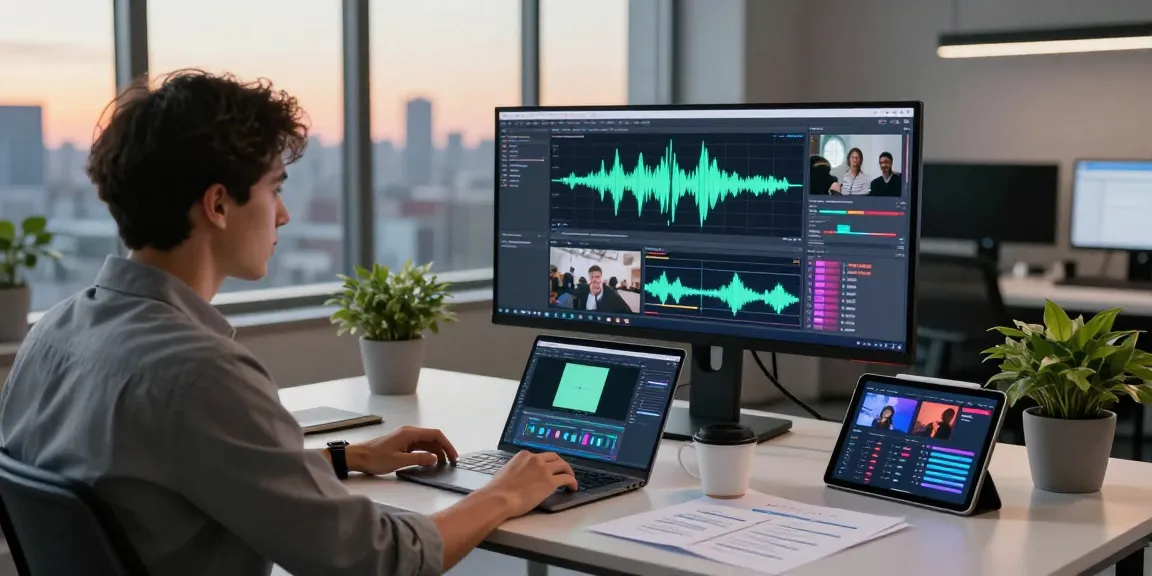
Understanding Video to Prompt: What It Is and How It Works
As the digital landscape continues to evolve, the demand for innovative content creation tools grows exponentially. One of the most exciting advancements in this realm is the emergence of video to prompt technology. This sophisticated tool enables users to transform video content into structured textual prompts that can be utilized in various AI video generation models. By dissecting visual elements such as actions, camera angles, and lighting, this technology provides content creators with detailed, actionable insights that facilitate enhanced video production and storytelling.
Overview of Video to Prompt Technology
Video to prompt technology employs artificial intelligence algorithms designed to analyze videos frame by frame. The tool identifies significant elements—the characters, their actions, the setting, and the contextual details—and converts these observations into coherent text prompts. This process not only aids in understanding and recreating existing scenes but also inspires new content ideas. By providing detailed descriptions that capture the essence of visual narratives, video to prompt applications enhance the creative workflow for professional marketers, educators, and content creators alike.
How AI Analyzes Video Content
The power of video to prompt technology lies in its AI-driven analysis capabilities. Machine learning models are trained on vast datasets that include diverse video genres and styles. Through techniques such as computer vision and natural language processing, the AI can:
- Identify key scenes: The AI recognizes pivotal moments that shape the narrative.
- Analyze camera movements: It captures how dynamic shifts in camera position contribute to storytelling.
- Evaluate visual styles: The tool assesses color schemes, lighting conditions, and set designs.
- Extract audio cues: Beyond visuals, it takes into account dialogues, sound effects, and background music that set the tone.
By synthesizing all this information, the AI generates text prompts that are not only descriptive but also rich in narrative potential.
Benefits of Using Video to Prompt Generators
Embracing video to prompt solutions comes with numerous advantages:
- Increased Efficiency: Quickly generate detailed prompts without manual transcription, saving valuable time in the content creation process.
- Enhanced Creativity: Stimulate fresh ideas and narratives through AI-generated suggestions that would be hard to conceptualize manually.
- Improved Accessibility: Many tools support multiple languages, allowing creators worldwide to leverage this technology effectively.
- Data-Driven Insights: The analysis provides deeper understanding of audience engagement by highlighting what works visually and contextually.
Why Professionals Choose Video to Prompt Solutions
As the landscape of digital content continues to expand, professionals in various fields are turning to video to prompt solutions for their specific needs. Whether in marketing, education, or media production, the utility of generating actionable prompts from videos offers significant added value.
Key Advantages for Marketers and Creators
For marketers, the ability to generate cohesive video prompts enhances campaign planning and content strategy. Detailed prompts can inform targeted messaging and visual narratives that resonate with audiences. Content creators, from filmmakers to social media influencers, similarly benefit from the way these prompts clarify their creative intent and streamline their production processes.
Enhanced Learning and Teaching with Video Prompts
In educational settings, video to prompt technology serves as a vital tool for educators. By converting instructional videos into concise prompts, teachers can create supplemental materials that enhance student understanding. The visual elements captured in prompts can help demonstrate complex topics, making learning more engaging and effective.
Case Studies of Successful Implementations
Numerous organizations have attested to the transformative impact of video to prompt technology:
- Corporate Training: A major tech company integrated the technology into its onboarding process, leading to a 40% increase in new hire comprehension of core values and procedures.
- Content Creation Agencies: A creative agency reported reduced project turnaround times by 30% after adopting video to prompt generators, enabling them to focus more on creative development rather than tedious scriptwriting.
- Education Platforms: An online learning platform successfully utilized video prompts to create focused assessments, resulting in improved student performance metrics.
How to Use the Video to Prompt Generator Effectively
Utilizing a video to prompt generator can seem daunting at first, but the process is streamlined and intuitive. By following a few essential steps, users can unlock the full potential of their video content.
Step-by-Step Guide to Uploading and Analyzing Videos
To get started with any video to prompt generator, follow these steps:
- Upload Your Video: Drag and drop or click to upload supported video formats such as MP4, MOV, or AVI (up to 100 MB).
- Select AI Model: Depending on your needs, choose a specific model tailored for cinematic analysis or general video prompts.
- Analyze Content: Let the AI work its magic as it processes your video content and generates prompts.
- Review and Refine: After prompts are generated, review them for detail and accuracy. Make adjustments if necessary to match your creative vision.
Choosing the Right AI Model for Prompt Generation
Selecting the appropriate AI model is crucial for achieving the desired results. Different models may specialize in various aspects of video analysis, such as:
- Cinematic Analysis: Ideal for filmmakers seeking to replicate high-quality visuals.
- General Content Analysis: Suitable for casual creators and marketers looking to extract essential narrative elements.
- Physical Accuracy Models: Focused on detailed descriptions relevant for technical projects or scientific presentations.
Adjusting Prompts for Specific Needs and Contexts
Once prompts are generated, they can (and should) be modified to fit specific contexts. Customization options may include:
- Length: Shortening or elaborating on prompts based on audience or platform constraints.
- Stylistic Adjustments: Tailoring the language to align with brand voice or target demographic.
- Content Focus: Highlighting specific elements of the video that are most relevant to your message or goal.
Addressing Common Challenges in Video Prompt Creation
Despite its advantages, users may encounter challenges when working with video to prompt technology. Understanding these challenges can help mitigate issues and streamline the process.
Misconceptions About AI Video Analysis
One common misconception is that AI-generated prompts lack depth or creativity. In reality, while AI provides foundational descriptions, the human touch is essential for infusing personal creativity and nuanced interpretations into the final product.
Dealing with Complex Video Content
Complex videos, such as those with multiple scenes or fast-paced editing, can pose unique challenges. To manage this:
- Break down longer videos into manageable sections before analysis.
- Utilize a model designed for sophisticated video analysis, ensuring the AI comprehensively captures all elements.
- Iteratively refine prompts for clarity and cohesion after initial generation.
Ensuring Data Privacy and Security
Concerns over data privacy are valid, especially when dealing with sensitive content. Most reputable video to prompt platforms implement robust security measures, including:
- Temporary processing of video uploads, with automated deletion post-analysis.
- End-to-end encryption of uploaded files to safeguard user data.
- Transparent privacy policies ensuring users are informed of data handling practices.
Future Trends in Video to Prompt Technology
The landscape of video to prompt technology is ever-evolving. As demand for rapid content generation increases, several trends are emerging that will shape the future of this technology.
Emerging Features and Innovations for 2026
Looking ahead, we can expect the following innovations:
- Improved AI Models: Continued enhancements will lead to more nuanced understanding of visual storytelling.
- Integration with Virtual Reality (VR): Video to prompt technologies may begin accommodating VR content, expanding their utility and application.
- Real-Time Analysis: Future iterations might provide real-time analysis, allowing users to generate prompts during live events.
Integration with Other AI Tools and Platforms
Collaboration with complementary AI tools is another anticipated trend. By linking video to prompt technology with other applications, users can seamlessly enhance their workflows, including:
- Social media management tools for tailored content distribution.
- Content management systems for more integrated creative processes.
- Analytics tools that provide insights into audience engagement based on prompt content.
The Role of Multilingual Support in Global Reach
As the global content market grows, multilingual capabilities will become increasingly important. Advanced video to prompt generators are likely to:
- Support a wider variety of languages, making the technology accessible to non-English speaking creators.
- Facilitate cross-cultural collaborations by enabling the generation of culturally relevant prompts.
- Utilize AI translations to ensure accuracy and context preservation in prompt generation.
What types of videos can be converted into prompts?
The video to prompt generators support a range of formats, including MP4, AVI, MOV, and WEBM. Users can convert everything from educational clips to marketing videos and cinematic footage.
How does the security of uploaded videos work?
Uploaded videos are processed temporarily and deleted immediately after analysis. The platform employs strong encryption protocols to ensure user data remains confidential and secure.
Can the Video to Prompt Generator handle long videos?
Yes, the video to prompt generator can handle longer videos, though processing times may vary. It is advisable to upload videos in shorter segments to optimize speed and efficiency.
Is there a free version of the Video to Prompt tool?
Many video to prompt platforms, including leading solutions, offer free versions that allow users to generate prompts without financial commitment, providing essential features for immediate use.
What languages are supported by the Video to Prompt Generator?
The technology typically supports multiple languages, enabling users to generate prompts in various widely used languages, thus catering to a global audience.