Understanding CNC Glass Cutting Machines
CNC glass cutting machines are revolutionizing the glass processing industry, offering precision, efficiency, and versatility. These advanced machines leverage Computer Numerical Control (CNC) technology to automate the glass cutting process, enhancing production capabilities while minimizing human error. Organizations are increasingly discovering the benefits of incorporating these machines into their operations, especially as the demand for glass products continues to soar. When exploring options, cnc glass cutting machine solutions from reputable manufacturers can provide comprehensive insights into how to optimize production lines.
What is a CNC Glass Cutting Machine?
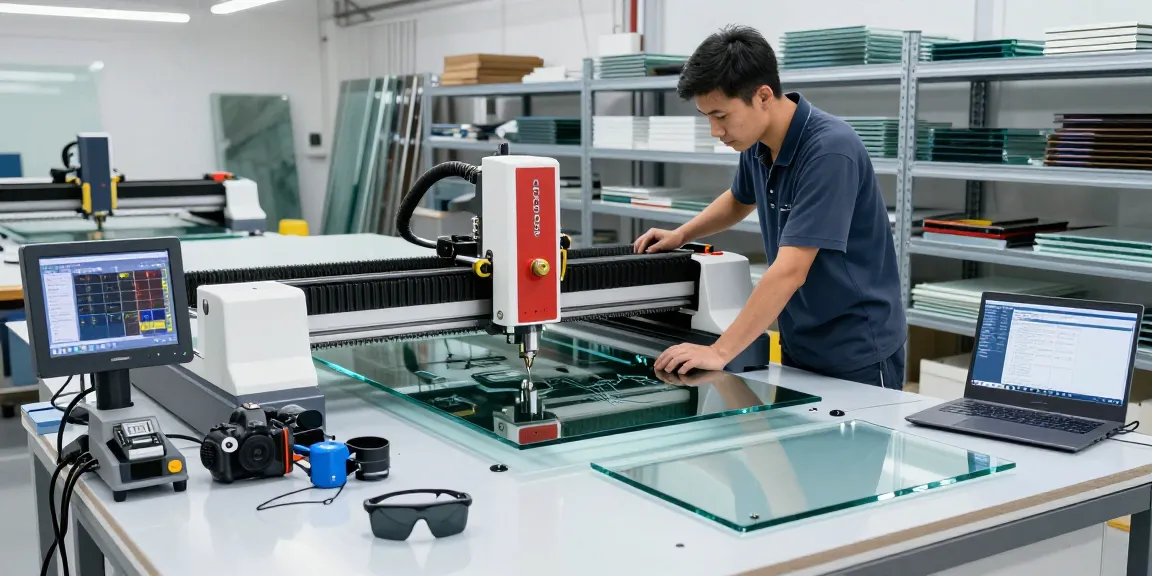
A CNC glass cutting machine is a specialized device designed to cut glass with high precision using computer-controlled tools. Unlike traditional glass cutting methods that require manual labor and considerable skill, CNC glass cutters automate the entire process, enabling operators to execute intricate designs and shapes consistently and accurately. These machines typically include features such as laser cutting, water jet cutting, and diamond blade cutting, making them suitable for various glass types, including float glass, tempered glass, and laminated glass.
Key Features and Benefits of CNC Glass Cutters
CNC glass cutting machines come with a host of features that make them invaluable in modern glass processing. Some of the key attributes include:
- Precision Cutting: CNC technology allows for extremely detailed cuts, ensuring every piece meets the exact specifications.
- Speed: These machines can operate at high speeds, significantly reducing production time compared to manual methods.
- Reduced Waste: By optimizing cutting paths, CNC machines minimize material wastage, making production more cost-effective.
- Versatility: CNC cutters can handle a wide variety of glass thicknesses and types, accommodating diverse project requirements.
- Automation: The ability to program complex cutting patterns reduces the need for manual input, increasing operational efficiency.
Applications in Glass Processing Industry
The applications of CNC glass cutting machines are vast and varied. They are commonly used in:
- Architectural Glass: Precision-cut glass panels are needed for modern buildings, allowing for the creation of stunning facades.
- Automotive Glass: CNC machines can produce high-quality glass for vehicles, enhancing safety and aesthetics.
- Furniture Design: Unique glass shapes for tables, shelves, and decorative pieces can be efficiently crafted using CNC technology.
- Solar Panels: The industry relies on CNC machines for cutting glass components used in photovoltaic systems.
Choosing the Right CNC Glass Cutting Machine
When looking to invest in a CNC glass cutting machine, several factors should guide your decision-making process. The right machine can enhance your production capabilities, while the wrong choice can lead to inefficiencies and increased costs.
Factors to Consider When Buying a CNC Glass Cutter
Here are some essential factors to evaluate when selecting a CNC glass cutting machine:
- Machine Size: Ensure the machine fits your workspace and can accommodate the glass sizes you work with.
- Cutting Method: Different machines offer various cutting techniques (e.g., laser, water jet), so consider which is best suited for your projects.
- Software Compatibility: Evaluate the machine’s software capabilities for design and programming ease.
- Technical Support: A reliable support system from the manufacturer can be crucial for addressing issues post-purchase.
- Cost vs. Value: Analyze not just the upfront costs but also long-term maintenance and operational efficiency.
Comparing Different Models and Technologies
With numerous CNC glass cutting machines available, it’s vital to compare models based on their capabilities and technologies. Considerations include:
- Accuracy ratings and tolerances
- Integration capabilities with existing systems
- Energy efficiency and operating costs
- Options for customization and scalability for future growth
Cost Analysis: Investment and Value Over Time
Investing in a CNC glass cutting machine may seem daunting due to the initial costs, but analyzing the total cost of ownership can provide clarity. Consider factors such as:
- Initial purchase price
- Maintenance costs and service agreements
- Potential cost savings from reduced labor and material waste
- Increased production capacity and speed
Implementing CNC Glass Cutting in Your Business
Once you’ve chosen a CNC glass cutting machine, the next step is integrating it into your production workflow. Proper implementation is key to reaping the full benefits of this technology.
Steps for Integrating CNC Technology into Glass Production
To ensure a smooth transition, consider the following steps:
- Assess Your Current Workflow: Identify areas where CNC cutting can optimize processes.
- Train Your Staff: Equip your team with the necessary skills to operate the new machinery effectively.
- Establish Safety Protocols: Implement safety measures to protect employees when using advanced equipment.
- Monitor Performance: Regularly evaluate the machine’s performance to optimize settings and processes.
Best Practices for Efficient Operation
Efficiency is paramount when using CNC glass cutting machines. Best practices include:
- Routine maintenance to ensure optimal machine performance
- Streamlining material handling processes to minimize downtime
- Utilizing software tools for monitoring and analysis of production metrics
- Adjusting operational strategies based on real-time feedback from the machine
Training and Skill Development for Staff
Successful integration of CNC machines hinges on a knowledgeable workforce. Provide continuous education and training programs that cover:
- Machine operation and troubleshooting techniques
- Basic programming skills for custom cuts and projects
- Updates on new technologies and software enhancements
Common Challenges with CNC Glass Cutting Machines
While CNC machines offer many advantages, they also come with challenges that operators must address to maintain productivity and quality.
Addressing Precision and Quality Control Issues
Maintaining precision in cuts is essential in glass working. Techniques for ensuring quality include:
- Regular calibration of machines
- Utilizing high-quality glass materials
- Implementing quality assurance checks at various stages of production
Maintenance Tips for Longevity of Equipment
Efficient maintenance extends the life of CNC glass cutting machines. Tips include:
- Performing regular inspections and servicing as per manufacturer guidelines
- Keeping the machine clean and free from debris
- Replacing worn parts promptly to prevent further damage
Overcoming Operational Barriers
Potential operational barriers such as staff resistance to change or inadequate training can impede the successful adoption of CNC technology. Strategies to overcome these barriers include:
- Engaging staff in the transition process to gain buy-in
- Providing clear communication on the benefits of CNC technology
- Setting realistic timelines and expectations for implementation
The Future of CNC Glass Cutting Technologies
The landscape of glass processing is continuously evolving, and the future of CNC technologies promises exciting advancements.
Emerging Trends in Glass Processing for 2026
In 2026, the glass processing industry will likely see trends such as:
- Enhanced automation capabilities with AI integration for smarter operations
- Utilization of advanced materials and coatings to improve glass performance
- Increased focus on sustainable manufacturing practices and energy efficiency
The Role of Automation and AI in Glass Cutting
The integration of AI in CNC technology will facilitate predictive maintenance, optimize cutting patterns based on material properties, and enhance overall operational efficiency.
Predictions for CNC Technology Advancements
As the industry progresses, expect significant advancements in CNC machinery, such as:
- Greater customization options for unique glass projects
- Integration of IoT capabilities for real-time monitoring and data collection
- Improvements in software functionality for more intuitive operation