Understanding Sludge Dewatering: Key Concepts
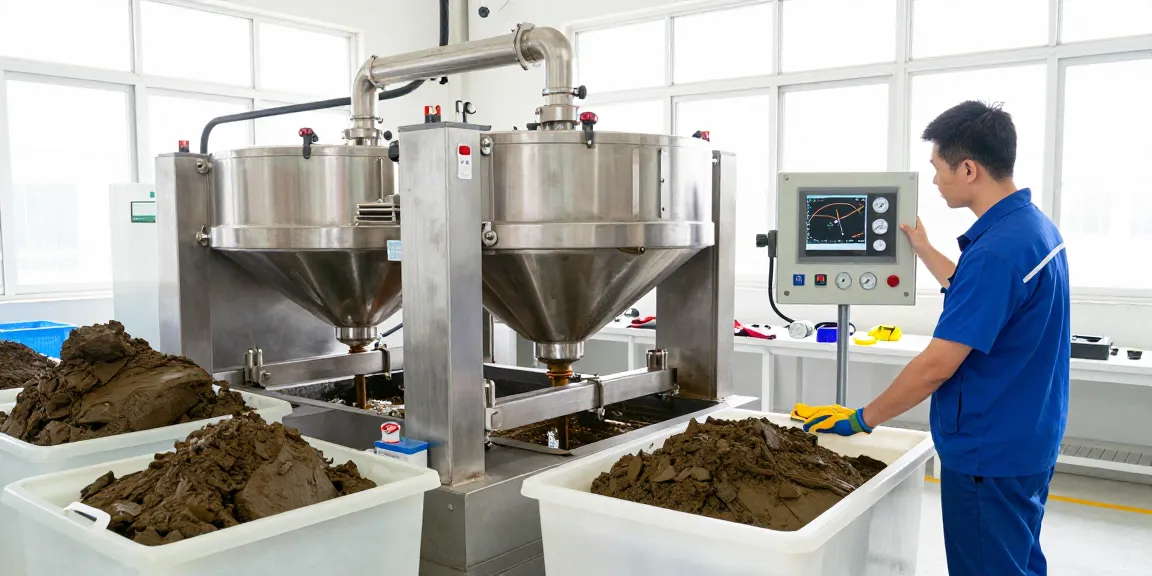
Sludge dewatering is a critical process in wastewater treatment, where the primary goal is to reduce the volume of sludge for efficient disposal. This procedure minimizes the water content in sludge, transforming it into a more manageable solid form. By understanding the complexities of sludge characteristics and the importance of dewatering, industries can enhance their waste management strategies, leading to more sustainable practices.
When exploring options, sludge dewatering technologies can significantly streamline the treatment process, improve operational efficiency, and lower disposal costs.
What is Sludge Dewatering?
Sludge dewatering refers to the physical process used to remove excess water from sludge, which is a by-product of wastewater treatment. This process involves separating the liquid phase from the solid phase, producing a drier material that is easier to handle. Dewatered sludge is usually referred to as “cake,” which can vary in consistency depending on the dewatering method employed.
Importance of Sludge Dewatering in Waste Management
The significance of sludge dewatering cannot be overstated in the context of waste management. Efficient sludge dewatering minimizes the volume of waste, ultimately reducing transportation and disposal costs by up to 60%. Furthermore, effective dewatering enhances the recovery of water, which can be treated and reused in other processes, thereby promoting resource sustainability.
Overview of Sludge Characteristics and Composition
Understanding the composition of sludge is vital for determining the most effective dewatering methods. Sludge typically contains organic and inorganic materials, including suspended solids and pathogens. Its characteristics—such as moisture content, density, and particle size—play a critical role in selecting the appropriate dewatering technology. The composition can vary widely based on the source of the wastewater, whether municipal, industrial, or agricultural.
Common Methods of Sludge Dewatering
Mechanical Dewatering Techniques Explained
Mechanical dewatering encompasses various technologies that apply physical forces to separate water from sludge. Common methods include:
- Filter Press: Utilizes plates to squeeze water out of the sludge slurry, producing a solid cake. This method is effective but can be slow and labor-intensive.
- Centrifugation: Employs centrifugal force to separate solids from liquids rapidly, resulting in higher efficiency and reduced processing time.
- Belt Press: A continuous process that uses a series of rollers to press sludge between belts, allowing water to drain away.
Centrifuge Dewatering: Benefits and Applications
Centrifuges are increasingly favored for sludge dewatering due to their ability to handle varying sludge characteristics and produce higher quality solids. Benefits of centrifuge dewatering include:
- Rapid processing times, enabling continuous operation
- Higher cake solids concentration, reducing overall disposal volume
- Less maintenance compared to other mechanical methods
Applications of centrifuge dewatering can be found in municipal wastewater treatment plants, industrial wastewater processes, and even agricultural settings for digestate management.
Comparative Analysis of Dewatering Technologies
When choosing a dewatering technology, it is essential to consider the specific requirements of the sludge being treated and the desired end product. A comparative analysis can help in selecting the most effective technology:
- Centrifuges: Best for high solids content and varying sludge types.
- Belt Filters: Suitable for large volumes of sludge with moderate solids content.
- Filter Presses: Ideal for applications requiring high solid recovery and minimal moisture in the cake.
Challenges in Sludge Dewatering Processes
Overcoming Common Misconceptions
Common misconceptions about sludge dewatering often lead to inadequate strategy selections. For example, many believe that all dewatering technologies can handle any sludge type effectively, which is not true. Each method has its strengths and limitations, and understanding these nuances is crucial for successful implementation.
Regulatory Challenges in Sludge Disposal
Regulations governing sludge disposal can pose challenges for wastewater treatment facilities. Compliance with environmental standards is mandatory, necessitating the selection of treatment methods that not only meet these standards but also minimize environmental impact. Operators must stay informed about changing regulations and adapt their practices accordingly.
Environmental Considerations and Sustainability Issues
The environmental implications of sludge disposal are significant, particularly concerning landfill use and potential leachate contamination. Sustainable sludge management practices, such as composting or energy recovery, can mitigate these impacts. Investing in advanced dewatering technologies is also a step towards achieving sustainability goals.
Best Practices for Efficient Sludge Dewatering
Optimizing System Performance and Maintenance
To ensure optimal performance of sludge dewatering systems, regular maintenance and monitoring are critical. Implementing a preventive maintenance schedule can help identify issues before they escalate, thus enhancing the longevity and efficiency of equipment.
Innovative Technologies Enhancing Dewatering Efficiency
Emerging technologies, such as electro-dewatering and advanced polymer usage, are revolutionizing sludge dewatering by improving efficiency and reducing costs. These innovations promise not only better dewatering results but also lower energy consumption and operational costs.
Training and Skill Development for Operators
Effective training for operators is essential to maximize the performance of sludge dewatering systems. Skilled personnel can better respond to process variations and equipment issues, ensuring that the systems operate at peak performance levels.
Future Trends in Sludge Dewatering for 2026 and Beyond
Emerging Technologies in Wastewater Treatment
As we look towards 2026, technological advancements in sludge dewatering are expected to continue. Innovations in artificial intelligence and automation will likely play a larger role in monitoring and optimizing dewatering processes, leading to increased efficiency and reduced operational costs.
Predictions for Regulatory Changes and Standards
Regulatory frameworks around sludge management may evolve, focusing more on sustainability and resource recovery. Industries will need to adapt by implementing technologies that not only meet current standards but also position them favorably for future regulations.
Long-term Benefits of Effective Sludge Management Practices
Investing in effective sludge management practices delivers long-term benefits, including reduced waste disposal costs, enhanced environmental compliance, and improved public perception. Facilities that embrace advanced technologies and sustainable practices are likely to enjoy greater operational efficiency and resilience in an increasingly regulated environment.
What are the main sludge dewatering methods?
The primary sludge dewatering methods include mechanical techniques such as centrifugation, belt pressing, and filter pressing, each with unique advantages and applications.
Why is sludge dewatering necessary for wastewater management?
Sludge dewatering is crucial for minimizing wastewater volume, reducing disposal costs, and facilitating the recovery of valuable resources.
How does sludge composition affect dewatering techniques?
The composition of sludge influences the selection of dewatering technology, as different methods perform better with specific sludge characteristics and moisture levels.
What are the environmental impacts of sludge disposal?
Inadequate sludge disposal can lead to adverse environmental impacts such as soil and water contamination, highlighting the importance of effective dewatering and treatment options.
What future technologies are being developed for sludge processing?
Future advancements in sludge processing may include enhanced mechanical methods, biological treatments, and innovations in resource recovery that improve overall system efficiency and sustainability.. Additionally, juice centrifuge provides further details.