Understanding Smart Locks: What Makes Them Essential?
In today's rapidly evolving world of technology, home security has taken a significant leap forward with the introduction of smart locks. These innovative devices not only offer enhanced security measures but also bring convenience and flexibility to homeowners. As more people seek ways to improve their home safety, understanding the functionalities and benefits of smart locks becomes paramount. When exploring options, خرید قفل هوشمند can provide comprehensive insights and a variety of choices to meet diverse needs.
What are Smart Locks and How Do They Work?
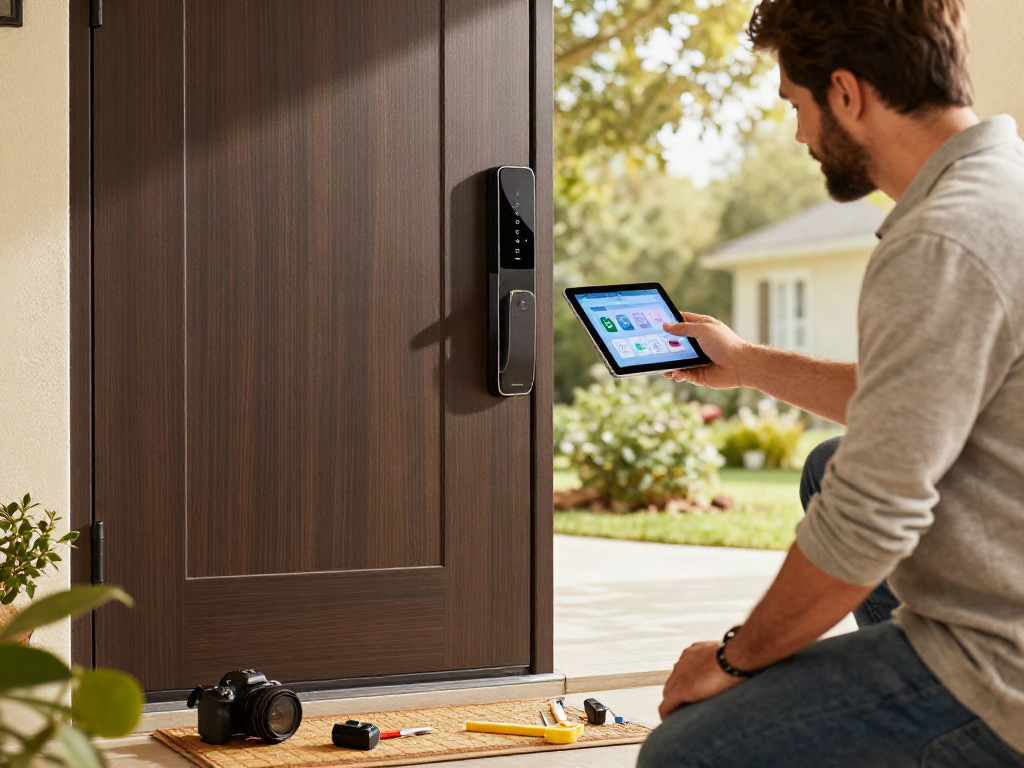
Smart locks are advanced locking systems that allow users to control access to their homes using smartphones, tablets, or other devices. Unlike traditional locks that rely solely on physical keys, smart locks integrate technology such as Bluetooth, Wi-Fi, and even biometric sensors. This connectivity enables users to lock and unlock doors remotely, monitor who enters and exits, and set temporary access codes for guests.
Many smart locks operate through mobile applications which facilitate various functionalities, including remote access, lock status notifications, and access logs. For instance, if a family member forgets their key, the homeowner can grant them access directly from their phone, eliminating the hassle of physical key exchange.
Key Benefits of Using Smart Locks in Modern Homes
- Convenience: No more fumbling for keys or worrying about losing them; smart locks offer keyless entry which can be particularly beneficial for families and busy professionals.
- Remote Access: Users can unlock doors from anywhere, allowing for easy access for service providers or guests while away from home.
- Enhanced Security: Many smart locks come equipped with advanced features such as two-factor authentication and automatic locking mechanisms.
- Access Control: Homeowners can assign unique access codes to family members, petsitters, or service personnel, ensuring that access can be revoked at any time.
How Smart Locks Enhance Home Security
Smart locks significantly bolster home security by reducing the risks associated with traditional locks. For one, they often include features that alert homeowners of unauthorized access attempts. This real-time notification system helps in taking prompt actions to protect the property. Additionally, advanced encryption methods typically employed in these locks safeguard against hacking and unauthorized digital access.
Furthermore, features such as auto-locking capabilities ensure that doors are secured after a predetermined time, enhancing safety against unintentional leave-behind scenarios.
Choosing the Right Smart Lock: Factors to Consider
With numerous smart lock options available on the market, selecting the right one can be challenging. It is crucial to consider various factors to ensure that you choose a lock that fits your needs and enhances your home security effectively.
Types of Smart Locks: Keyless, Bluetooth, and More
Smart locks come in various types, each offering unique functionalities. Keyless smart locks, for instance, allow entry via fingerprint recognition or PIN codes, while Bluetooth-enabled locks require proximity to a paired device for unlocking. Wi-Fi-based locks provide remote access through internet connectivity, allowing users to control their locks from anywhere in the world.
When choosing a smart lock, consider the features that best suit your lifestyle. For example, families with children may prefer a lock with a PIN pad to avoid the need for carrying devices, while tech-savvy users might appreciate locks that integrate with their home automation systems.
Security Features: Understanding Encryption and User Access
In an age where cyber security is a pressing concern, understanding the encryption technologies that protect smart locks is vital. Most reputable smart locks utilize AES (Advanced Encryption Standard) to ensure that communication between the lock and user devices is secure.
Moreover, user access controls play a significant role in smart lock security. Many smart locks allow for temporary access codes that can be set for specific timeframes, making it ideal for rentals or homes with frequent visitors.
Compatibility with Smart Home Devices: What to Look For
As smart homes become increasingly popular, compatibility with other smart home devices should be a priority. Many smart locks integrate well with existing home automation systems, allowing users to create routines like locking the door when leaving and turning off the lights simultaneously. It is essential to check for compatibility with platforms such as Google Assistant, Amazon Alexa, or Apple HomeKit before purchasing.
Installation Best Practices for Smart Locks
Installing a smart lock can be straightforward, but following best practices ensures optimal functionality and security. Understanding the installation process can mitigate common mistakes that may arise during setup.
DIY vs. Professional Installation: Pros and Cons
One of the first choices homeowners face is whether to install the smart lock themselves or hire a professional. DIY installation is often less expensive and allows for a sense of accomplishment; however, it may lead to installation errors if users are not familiar with the process. Conversely, professional installation guarantees a properly set-up lock but comes at an additional cost.
Common Installation Mistakes to Avoid
Common mistakes during installation can compromise security and functionality. For example, failing to level the lock properly can prevent the deadbolt from engaging correctly. Ensuring that the door is sturdy enough to accommodate the smart lock is also vital, as a weak door can negate the benefits of having a smart lock.
Additionally, neglecting to follow the manufacturer's instructions or skipping firmware updates can lead to vulnerabilities in security.
Preparing Your Door for Smart Lock Installation
Before installing a smart lock, prepare your door by ensuring it is in good condition. Check for any warping or damage that may hinder the lock's effectiveness. It may also be beneficial to align the door's strike plate with the new lock to ensure a perfect fit.
Maintaining Your Smart Lock: Tips for Longevity
Once you've installed a smart lock, regular maintenance is essential to ensure its longevity and reliability. Adhering to maintenance tips can keep your lock functioning optimally for years to come.
Regular Software Updates and Their Importance
Just like any other smart device, keeping your smart lock's software updated is vital for security. Manufacturers regularly release updates that may fix vulnerabilities or add new features. Schedule reminders to check for updates to ensure your lock remains secure against potential threats.
Physical Maintenance: Keeping Your Smart Lock in Top Shape
Physical maintenance is equally important. Regularly check for debris or obstructions around the lock and keep the lock mechanism lubricated to ensure smooth operation. Avoid using harsh chemicals that may damage the lock's exterior.
How to Troubleshoot Common Smart Lock Issues
Despite their technology, smart locks may encounter issues over time. Common problems include connectivity issues, battery depletion, or malfunctioning mechanisms. Regularly check the battery status and replace batteries as needed to prevent any disruptions in service. If connectivity issues arise, resetting the lock or reconnecting it to the network may resolve the problem.
Future Trends in Smart Lock Technology (2026 and Beyond)
The smart lock industry is continuously evolving, driven by technological advancements and changing consumer preferences. Anticipating future trends can help consumers make informed purchases and stay ahead of security innovations.
Emerging Technologies: AI Integration in Smart Locks
Artificial Intelligence (AI) is poised to revolutionize smart lock technology further. Future locks may use AI algorithms to learn user behaviors and patterns to enhance security, offering features like predictive analytics to anticipate potential security breaches.
Predictions for the Smart Lock Market in 2026
By 2026, the smart lock market is expected to expand significantly, with an increasing number of homes adopting smart technologies. More manufacturers will focus on creating products that seamlessly integrate with other devices within the smart home ecosystem.
Consumer Preferences Shaping Future Smart Lock Designs
As consumers become more aware of privacy issues and security needs, they will increasingly demand locks that offer comprehensive security features without sacrificing convenience. Manufacturers will likely shift focus toward developing locks that combine design aesthetics with advanced technology to meet the discerning tastes of homeowners.
What are the top features to look for in a smart lock?
When selecting a smart lock, key features to consider include robust encryption methods, ease of installation, compatibility with existing smart home systems, and user-friendly mobile applications that provide remote access and notifications.
How do smart locks compare to traditional locks?
Smart locks provide a higher level of convenience, flexibility, and security compared to traditional locks. While traditional locks require physical keys, smart locks offer keyless options, remote access, and enhanced monitoring features.
Are smart locks safe for rental properties?
Yes, smart locks are particularly well-suited for rental properties as they offer features such as temporary access codes for guests and easy key management without physical key exchanges.
What maintenance is required for smart locks?
Smart locks require minimal maintenance beyond regular software updates and battery replacements. Physical checks for debris and ensuring that the mechanism is lubricated will also help maintain functionality.
How can I integrate a smart lock into my existing security system?
Integrating a smart lock into an existing security system often involves ensuring the lock is compatible with your chosen home automation platform. Consult the lock’s documentation and set it up via the manufacturer's mobile application to configure other devices for a unified security experience.