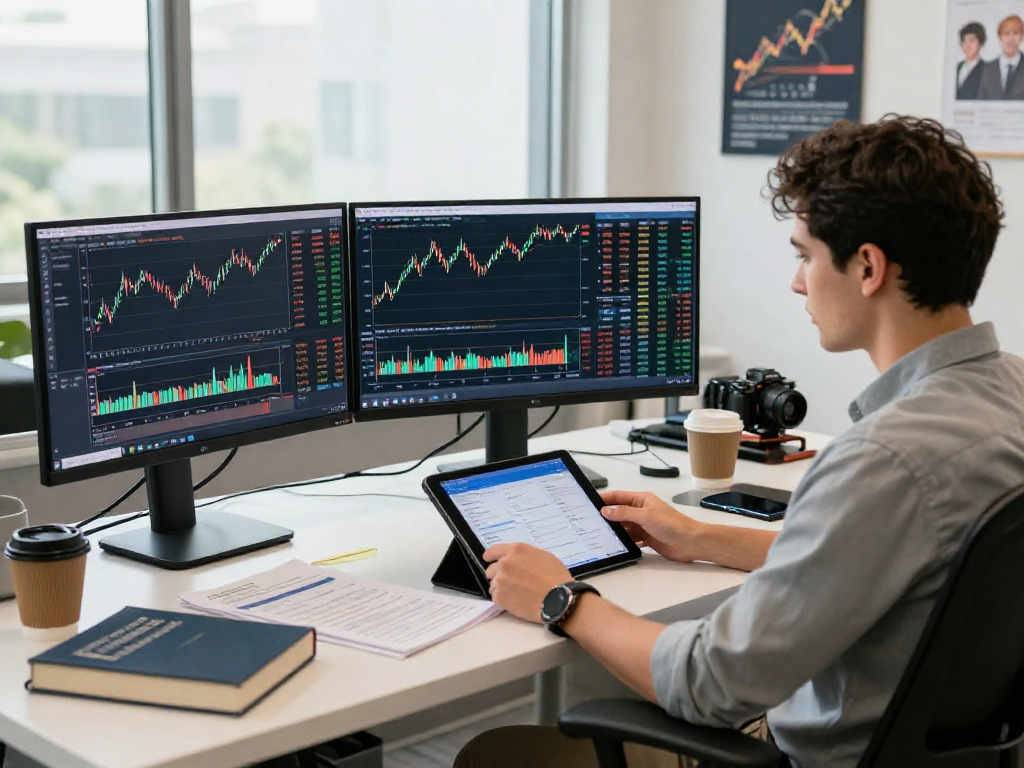
Overview of TradingView Features for Investors in 2026
In the rapidly evolving landscape of financial trading, tools that provide comprehensive insights and analytics are vital for both novice and seasoned traders. TradingView has emerged as a leading platform that combines a multitude of features for market analysis, professional charting, and customizable alerts, making it a valuable asset for anyone engaged in trading across various financial markets. When exploring options, TradingView provides comprehensive insights that cater to diverse trading strategies and preferences.
What is TradingView?
TradingView is an advanced financial platform designed for traders and investors, offering real-time data, a wide range of charts, and powerful analytical tools. It supports a variety of asset classes including stocks, forex, cryptocurrencies, and commodities, catering to a global audience. With its user-friendly interface and community-driven features, TradingView empowers users to make informed trading decisions while enhancing their market knowledge.
Key Features of TradingView
TradingView provides several key features that help users analyze market trends and make strategic investment decisions:
- Comprehensive Charting Tools: Access a diverse array of chart types, including line, bar, and candlestick charts, along with advanced technical indicators that can be customized to tailor your analysis.
- Market Alerts: Users can set up alerts for price movements or technical conditions, ensuring they never miss critical market changes.
- Screener Tools: The market screener allows users to filter stocks and assets based on specific criteria, aiding in the discovery of potential investment opportunities.
- Social Networking Features: The platform facilitates interaction among traders, allowing users to share ideas, strategies, and analyses within a vibrant community.
Benefits for Different User Types
Different types of users can harness the power of TradingView in unique ways:
- Novice Traders: With intuitive tools and a wealth of educational resources, TradingView can help beginners understand market dynamics.
- Experienced Traders: Advanced functionalities like multi-chart layouts and backtesting tools cater to seasoned traders looking for deeper analysis.
- Investors: Long-term investors can utilize the platform to track their assets and receive alerts on market changes that affect their portfolios.
Understanding TradingView's Charting Capabilities
At the core of TradingView’s offering is its powerful charting capabilities, which enable users to visualize market data and identify trends effectively.
Types of Charts Available
TradingView supports various chart types that cater to different analytical preferences:
- Candlestick Charts: These charts provide detailed information about price movements within specific timeframes, displaying open, high, low, and close prices.
- Line Charts: Ideal for visualizing price movements over time, line charts connect closing prices to create a clear trend line.
- Bar Charts: Similar to candlestick charts but typically providing more concise data, bar charts show open and close prices along with high and low points.
Customizable Indicators and Tools
TradingView allows users to overlay various technical indicators onto their charts, enabling personalized analysis tailored to individual strategies. Users can choose from popular indicators like moving averages, RSI, MACD, and many others, adjusting their settings to match their trading styles.
Best Practices for Effective Chart Analysis
To maximize your chart analysis on TradingView, consider the following best practices:
- Use multiple timeframes to gain a comprehensive view of market trends.
- Combine different chart types and indicators to validate signals and confirm trends.
- Regularly backtest your strategies using historical data available on TradingView.
Setting Up Alerts for Market Movements
Setting alerts on TradingView is a crucial feature that helps traders respond to market changes without constantly monitoring the charts.
How Alerts Work on TradingView
Alerts can be configured based on price levels, technical indicators, or specific conditions that are critical for trading decisions. Once set, alerts will send notifications via email, SMS, or mobile app notifications when conditions are met.
Types of Alerts You Can Set
Users can set various types of alerts in TradingView:
- Price Alerts: Notify you when an asset reaches a specific price level.
- Technical Alerts: Trigger notifications based on technical indicator signals, such as crossovers or breaches of support/resistance levels.
- Custom Alerts: Based on user-defined conditions, providing flexibility in alert setup.
Maximizing Alert Effectiveness for Trading Success
To maximize the effectiveness of alerts, traders should:
- Set realistic trigger levels based on technical analysis.
- Utilize multiple alerts to cover different assets and conditions.
- Regularly revisit and adjust alert settings as market conditions change.
Cross-Platform Integration and Usage
One of the standout features of TradingView is its ability to seamlessly integrate across various platforms, enhancing the user experience regardless of the device used.
Accessing TradingView on Different Devices
Users can access TradingView through browsers, desktop applications, and mobile apps, making it versatile for on-the-go or at-home trading. The platform supports Windows, macOS, iOS, and Android, allowing for a wide reach.
Synchronizing Workflows Across Devices
TradingView smoothly synchronizes your account across all devices. Users can start their analysis on a desktop and seamlessly continue on their mobile device, ensuring that they can make trading decisions anytime, anywhere.
Comparing Desktop and Mobile Experiences
While both platforms offer robust features, the desktop version provides enhanced functionalities for users who require multi-display setups, allowing for complex analyses and monitoring multiple assets simultaneously. The mobile app, on the other hand, offers a streamlined interface suitable for quick checks and alerts while on the move.
Common FAQs About TradingView Usage
As with any platform, prospective users often have questions regarding functionality and pricing. Here are some common FAQs:
What are the costs associated with TradingView?
TradingView offers a range of subscription plans, from free access with limited features to various paid tiers that unlock more advanced tools and data insights. Each subscription option provides different levels of access and functionality, allowing users to choose one that suits their needs best.
Is a desktop version necessary for all features?
No, most core features of TradingView can be utilized through the web-based platform. However, advanced users may benefit from the desktop version for multitasking and enhanced functionalities, especially in high-frequency trading environments.
How does TradingView compare to other platforms?
TradingView stands out from competitors due to its intuitive interface, comprehensive charting capabilities, and a strong community of traders sharing insights. While other platforms may offer specific features, TradingView's all-in-one capabilities make it a preferred choice among many traders.