
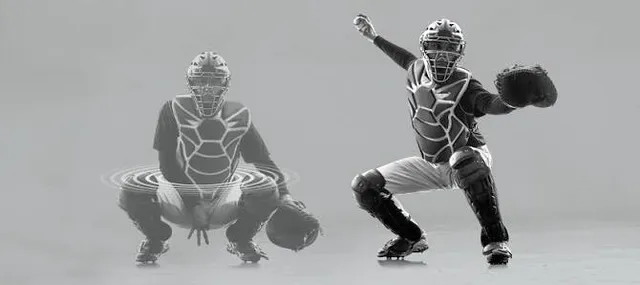
Choosing the right catcher’s equipment is an important decision for any baseball player. Catchers are involved in almost every pitch and need protective equipment that provides safety, comfort, mobility, and confidence. The right gear can help players focus on receiving pitches, blocking balls, and making accurate throws. When comparing Catchers Gear players should consider the fit, protection, materials, league requirements, and overall comfort before making a purchase.
Understand the Essential Catcher’s Equipment
A complete catcher’s setup usually includes a catcher’s helmet or mask, chest protector, leg guards, and a catcher’s mitt. Each piece serves a specific purpose and should work together as a complete system.
A helmet protects the head and face, while the chest protector helps protect the torso. Leg guards shield the knees and lower legs during blocking and defensive plays. A properly designed catcher’s mitt provides the structure and padding needed to receive pitches effectively.
Buying equipment as a coordinated set can make it easier to ensure that all components fit properly and provide consistent protection.
Prioritize Proper Fit
Fit should be one of the first things you consider when selecting catcher’s equipment. Gear that is too loose can move during a play, while equipment that is too tight may restrict movement and cause discomfort.
Measure the player's body according to the manufacturer's guidelines and compare those measurements with the available sizing options. Youth players may require smaller equipment, while adult catchers generally need larger sizes.
Whenever possible, try on the gear before buying it. Move around, squat, and simulate catching positions to determine whether the equipment stays securely in place.
Choose a Protective Catcher’s Helmet
The helmet or mask is one of the most important pieces of catcher’s equipment. Catchers face pitches, foul balls, and unexpected batted balls, so reliable head and face protection is essential.
Look for a helmet or mask that fits securely without creating excessive pressure. Good visibility is also important because catchers need to track the ball and observe the entire field.
Check that the equipment meets the safety standards required by your league or baseball organization before using it in competition.
Select the Right Chest Protector
A chest protector should provide coverage while allowing enough flexibility for movement. Catchers frequently squat, block pitches, stand quickly, and throw to bases, so mobility is just as important as protection.
Look for adjustable straps and a design that fits comfortably around the torso. The protector should stay in position when the player moves.
Modern materials can provide protection without making the equipment unnecessarily heavy. Choosing a lightweight design can help reduce fatigue during long games.
Find Comfortable Leg Guards
Leg guards protect the knees, shins, and lower legs while also supporting a catcher's movement behind the plate. They should fit securely and allow the player to squat naturally.
Pay attention to the knee area because catchers spend a significant amount of time in a crouched position. The guards should provide adequate coverage without interfering with foot movement or throwing mechanics.
Adjustable straps can help create a more personalized fit and keep the guards securely positioned throughout a game.
Choose a Quality Catcher’s Mitt
A catcher’s mitt is different from a standard baseball glove. It has a rounded design and additional padding to help catch repeated high-speed pitches.
When selecting a mitt, consider the player's hand size, preferred pocket shape, padding, and overall feel. A mitt should be secure enough to control pitches while still allowing the catcher to move the glove quickly.
New leather mitts can be stiff, so proper break-in is often necessary. Follow the manufacturer's recommendations to develop a comfortable pocket without damaging the glove.
Consider Weight and Mobility
Protective equipment should provide safety without unnecessarily restricting movement. Heavy gear can become tiring during a long game, especially for catchers who spend most of the contest in a crouched position.
When comparing different equipment sets, consider the total weight as well as the individual pieces. Lightweight materials can help improve mobility while maintaining useful protection.
A good balance between protection and mobility allows catchers to move efficiently and remain comfortable throughout the game.
Check League Requirements
Before purchasing catcher’s gear, always check the rules of your league. Baseball organizations can have specific requirements for helmets, chest protectors, leg guards, and other protective equipment.
Some leagues may require specific safety certifications or standards. Equipment that does not meet the required regulations may not be permitted during games.
Checking the rules before shopping can help you avoid purchasing equipment that cannot be used for competition.
Consider Your Budget
Catcher’s equipment can range from affordable beginner sets to premium professional-level gear. Establish a realistic budget based on how often the player competes and their experience level.
Young players who are still developing their skills may not need the most expensive equipment available. More advanced players who catch frequently may benefit from investing in durable, high-quality gear.
Focus on fit, protection, comfort, and durability rather than choosing equipment based only on price.
Maintain Your Catcher’s Gear
Proper maintenance can extend the life of your equipment. After games and practices, allow protective gear to dry properly before storing it.
Clean the helmet, chest protector, and leg guards according to the manufacturer's recommendations. Inspect straps, buckles, padding, and other components regularly for signs of wear.
The catcher’s mitt should also receive appropriate care, especially if it is made from leather. Proper storage can help preserve its shape and performance.
Conclusion
Choosing the right catcher’s gear requires careful attention to fit, protection, comfort, mobility, materials, league requirements, and budget. Every component—from the helmet and chest protector to the leg guards and catcher’s mitt—plays an important role in helping players perform confidently behind the plate.
By selecting properly fitted and league-approved equipment, catchers can focus more on receiving pitches, blocking balls, controlling the running game, and supporting their team. The right Catchers Gear is an investment in both player safety and performance, making careful research an essential part of preparing for the baseball season.