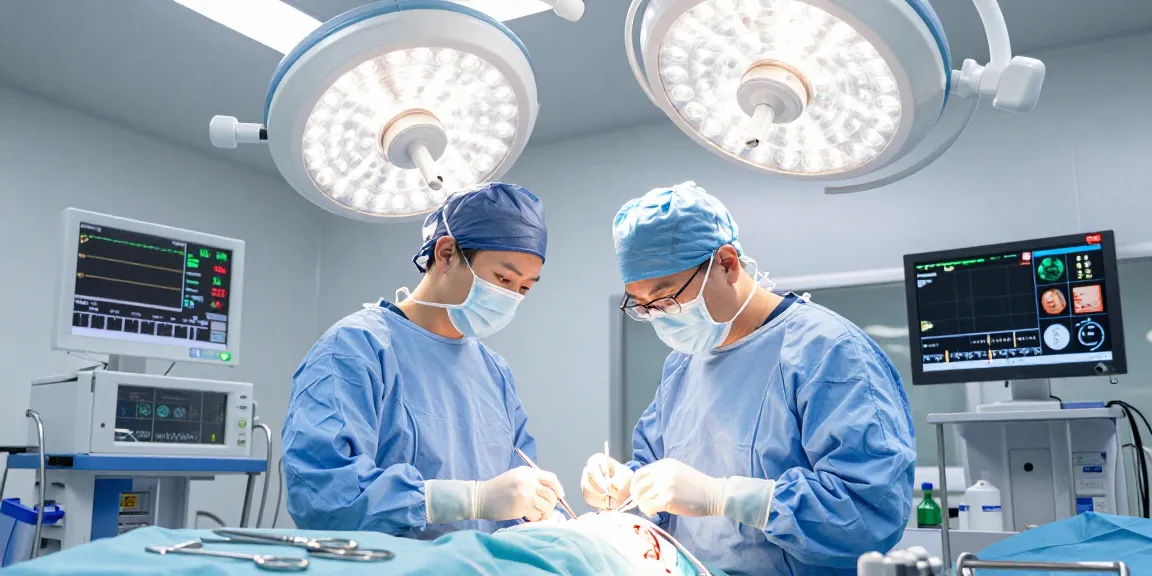
Understanding Beyin Ameliyatı
Beyin ameliyatı, the surgical intervention targeting various brain conditions, plays a pivotal role in the treatment of serious neurological disorders. From brain tumors to hemorrhages, these surgical procedures encompass a wide spectrum of complexities and technologies. As advancements in medicine and technology continue to evolve, the safety and efficacy of brain surgeries have significantly improved. For those considering or preparing for Beyin ameliyatı, understanding the nuances surrounding these procedures is vital for informed decision-making.
What is Beyin Ameliyatı?
Beyin ameliyatı refers to a variety of surgical procedures performed on the brain to treat numerous conditions such as tumors, chronic hemorrhages, and congenital anomalies. These operations may be performed to alleviate symptoms, remove abnormal growths, or repair structural issues within the brain. Given the brain's complexity, each procedure requires meticulous planning and execution to minimize risks and enhance recovery outcomes.
Types of Beyin Ameliyatı Procedures
The types of beyin ameliyatı procedures can be broadly categorized based on the underlying condition being treated:
- Brain Tumor Surgery: This involves the removal of tumor tissue and may utilize techniques such as craniotomy, where a section of the skull is temporarily removed to access the brain.
- Hemorrhage Surgery: Surgical interventions, like craniotomy or burr-hole drainage, are performed to relieve pressure caused by bleeding within the skull.
- Awake Craniotomy: A specialized technique that allows the patient to remain awake and responsive during surgery, ensuring critical brain functions are preserved while removing tumors.
- Endoscopic Procedures: Minimally invasive techniques such as endoscopic tumor removal or pituitary adenoma surgery through the nasal passage.
- Vascular Surgery: Procedures aimed at correcting vascular malformations or aneurysms in the brain.
The Importance of Surgical Expertise in Beyin Ameliyatı
The success of beyin ameliyatı heavily relies on the surgeon's experience and skill. Specialized training in neurosurgery equips surgeons with the necessary expertise to navigate delicate brain structures, manage unexpected complications, and optimize surgical outcomes. Collaborative approaches, involving multidisciplinary medical teams, enhance the level of care provided to the patient.
Preparation for Beyin Ameliyatı
Pre-Operative Assessments and Tests
Prior to any beyin ameliyatı, thorough evaluations are essential. These assessments typically include:
- Detailed medical history review and physical examination.
- Advanced imaging techniques such as MRI or CT scans to assess the brain's condition and plan the surgical approach.
- Blood tests to evaluate overall health and identify any risk factors that may affect anesthesia or surgery.
- Consultations with anesthesiologists to discuss anesthesia types and any associated risks.
Communicating with Your Medical Team
Effective communication with your healthcare team is crucial. Patients should openly discuss their symptoms, concerns, and any previous medical history that may impact the surgical procedure. Understanding the procedure's risks, benefits, and expected outcomes will empower patients to take an active role in their healthcare decisions.
Setting Realistic Expectations
Setting realistic expectations is an integral part of the pre-operative process. Patients should be informed about the recovery timeline, potential complications, and the likelihood of achieving desired outcomes. This approach helps manage anxiety and enhances a patient's overall surgical experience.
The Surgical Process of Beyin Ameliyatı
Step-by-Step of the Surgical Procedure
The surgical procedure for beyin ameliyatı generally follows a structured approach:
- Anesthesia Administration: Patients are placed under general or local anesthesia based on the type of procedure.
- Incision Creation: For procedures like craniotomy, a scalp incision is made to access the skull.
- Skull Removal: A section of the skull is removed to access the brain area of interest.
- Procedure Conducted: The surgeon performs the necessary intervention, whether it be tumor removal, vascular repair, or hemorrhage evacuation.
- Closure: The skull section is repositioned, and the incision is closed with sutures or staples.
Technology and Techniques Used
Modern beyin ameliyatı procedures are enhanced by technological advancements, such as:
- MRI and CT Imaging: These imaging tools help surgeons visualize the brain's anatomy in real-time.
- Neuro-navigation Systems: These systems provide precise guidance during surgery, helping to minimize risks to healthy brain tissue.
- Minimally Invasive Techniques: Innovations like endoscopy allow for less invasive interventions, reducing recovery time and complications.
Addressing Common Concerns During Surgery
Patients often have concerns about pain, anesthesia, and potential complications during surgery. It is essential to address these fears with factual information and reassurance from the medical team, emphasizing the rigor of safety protocols and the expertise of the surgical team.
Recovery After Beyin Ameliyatı
Post-Operative Care and Monitoring
The initial recovery phase typically occurs in an intensive care unit (ICU), where patients are closely monitored for any signs of complications. Post-operative care involves:
- Regular neurological assessments to evaluate brain function.
- Pain management through medications and other techniques.
- Monitoring for potential infections or bleeding.
Physical and Cognitive Rehabilitation
Rehabilitation post-surgery is critical for a successful recovery. Patients may require:
- Physical Therapy: To regain strength and mobility.
- Cognitive Therapy: To address memory, attention, and other cognitive impairments that may arise.
- Psychological Support: To assist with emotional adjustments and coping strategies during the recovery process.
Identifying and Managing Potential Complications
Some potential complications that may arise after beyin ameliyatı include infections, seizures, and neurological deficits. Identifying these risks early on through vigilant monitoring and follow-up visits is crucial for managing outcomes effectively.
Cost and Insurance Considerations for Beyin Ameliyatı
Factors Affecting the Cost of Beyin Ameliyatı
The cost of beyin ameliyatı varies based on several factors, including:
- The type of surgical procedure performed.
- The patient's overall health and any additional complications.
- Hospital charges, which may vary significantly across institutions.
- Duration of hospital stay and follow-up care requirements.
Insurance Coverage and Payment Options
Insurance coverage for beyin ameliyatı can vary widely. Patients should check with their insurance providers to understand their coverage options and any out-of-pocket expenses that may arise. Additionally, discussing financial arrangements with the healthcare facility can lead to manageable payment plans.
Financial Planning for Surgical Procedures
Financial planning should involve estimating potential costs and considering health insurance coverage. Patients are encouraged to obtain detailed cost estimates and confirm their insurance benefits prior to surgery to avoid unexpected financial burdens.
What Can Patients Expect During Recovery?
Patients should expect a gradual return to daily activities, typically starting with rest and assistance with mobility. Full recovery can take several weeks to months, depending on the specifics of the procedure and the patient's overall health. Ongoing rehabilitation and follow-up are essential for optimal recovery outcomes.
Are There Risks Associated with Beyin Ameliyatı?
Like any surgical procedure, beyin ameliyatı carries inherent risks. Potential complications may include infections, bleeding, nerve injury, cognitive deficits, and reactions to anesthesia. Understanding these risks pre-operatively can help patients make informed decisions about their care.
How Long Does Recovery Take After Beyin Ameliyatı?
The recovery timeline varies significantly based on the type of surgery performed and individual patient factors. Generally, initial recovery may take a few weeks, while complete healing and rehabilitation can extend several months.
What Innovations Are Impacting Beyin Ameliyatı?
Emerging technologies are continuously shaping beyin ameliyatı practices. Innovations such as robotic-assisted surgery, advanced imaging techniques, and personalized medicine are enhancing surgical precision and patient outcomes.
How to Choose the Right Surgeon for Beyin Ameliyatı?
Selecting the right surgeon is paramount. For more information, Beyin ameliyatı offers valuable insights. Patients should consider the surgeon's experience, their specialization in the specific type of beyin ameliyatı needed, and reviews from previous patients. A strong rapport with the surgical team can also contribute to a positive experience.